How to Find Cheap Heater Repair Without Cutting Corners
For cheap heater repair in Greater Cleveland, start with safe checks that may save you a service call. Make sure the thermostat is set correctly, the heater has power, and the furnace filter is clean. If your water heater is the problem, check its power supply and temperature setting without opening its panels. If the issue remains, ask for a written diagnosis before approving a repair. You can also check local energy assistance programs if you cannot afford an urgent fix.
Safety comes first. If you smell gas or a carbon monoxide alarm sounds, leave the building and call emergency services from outside. This guide covers common repair costs, ways to lower them, and when replacing an aging heater makes more sense.
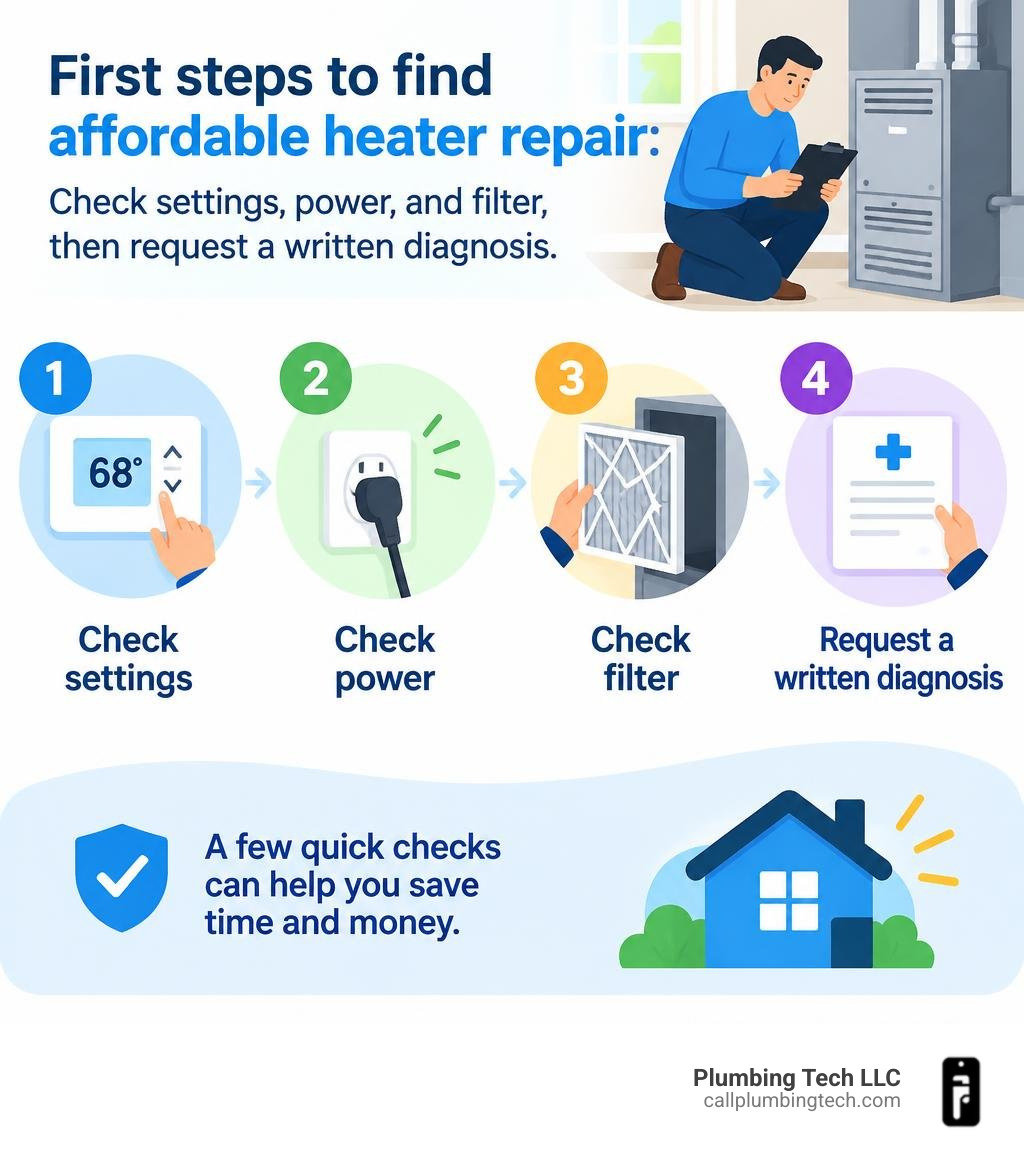
Quick look at cheap heater repair:
Understanding Furnace and Water Heater Repair Costs
When winter temperatures drop across Northeast Ohio, keeping heating systems and hot water running is essential. A sudden breakdown can put pressure on any household budget. Understanding how technicians structure their fees helps you plan your expenses and avoid surprise charges.
Repair costs generally consist of two main parts: labor and replacement components. Routine jobs require standard hand tools and quick part swaps, while major mechanical failures involve complex wiring, gas line adjustments, or intensive disassembly. Knowing what goes into these charges empowers you when conquering common water heater repair challenges or resolving sudden furnace malfunctions.
| Heating Component | Relative Expense Level | Common Failure Causes | Typical Service Complexity |
|---|---|---|---|
| Thermostat | Low to Moderate | Dead batteries, calibration loss, wiring shorts | Low |
| Flame Sensor | Low | Soot buildup, corrosion, oxidation | Low |
| Hot Surface Ignitor | Moderate | Thermal fatigue, physical cracking | Moderate |
| Thermocouple | Low | Soot accumulation, thermal wear | Low |
| Electric Heating Element | Low to Moderate | Mineral buildup, dry firing | Moderate |
| Control Board | Moderate to High | Electrical surges, heat stress | High |
| Blower Motor | High | Dirt buildup, worn bearings, capacitor failure | High |
| Heat Exchanger | Very High | Rust, thermal stress, restricted airflow | Very High |
Common Heating Component Fixes and Part Expenses
Small parts often cause complete system shutdowns because modern equipment relies on integrated safety switches. For example, a flame sensor confirms that gas has ignited safely. When soot coats this rod, the system shuts down within seconds of lighting to prevent raw gas leaks. Cleaning or replacing this sensor is a straightforward job that restores heating quickly.
Ignitors and thermocouples operate under high thermal stress and wear out naturally over time. If you have an electric or gas water heating unit, recognizing the signs you need a new water heater thermostat can prevent cold showers and protect the tank from overheating. In contrast, complex assemblies like central blower motors or digital control boards require extensive diagnostic testing and higher component investment.
Diagnostic Service Call Fees and Trip Charges
Most professional companies charge a flat diagnostic fee to send a certified technician to inspect your equipment. This fee covers vehicle travel, professional tools, and the time required to pinpoint the underlying issue. Many reputable service providers credit this initial diagnostic fee toward the total bill if you approve the recommended repair during the same visit.
To keep expenses predictable, request a written estimate before any work begins. A thorough estimate clearly breaks down the failed component, required labor, and warranty coverage on the new parts. Emergency visits scheduled late at night, on weekends, or during major winter holidays often carry extra trip surcharges. You can avoid these added fees by scheduling routine diagnostics during standard business hours whenever it is safe to do so.
Safe DIY Troubleshooting for Cheap Heater Repair
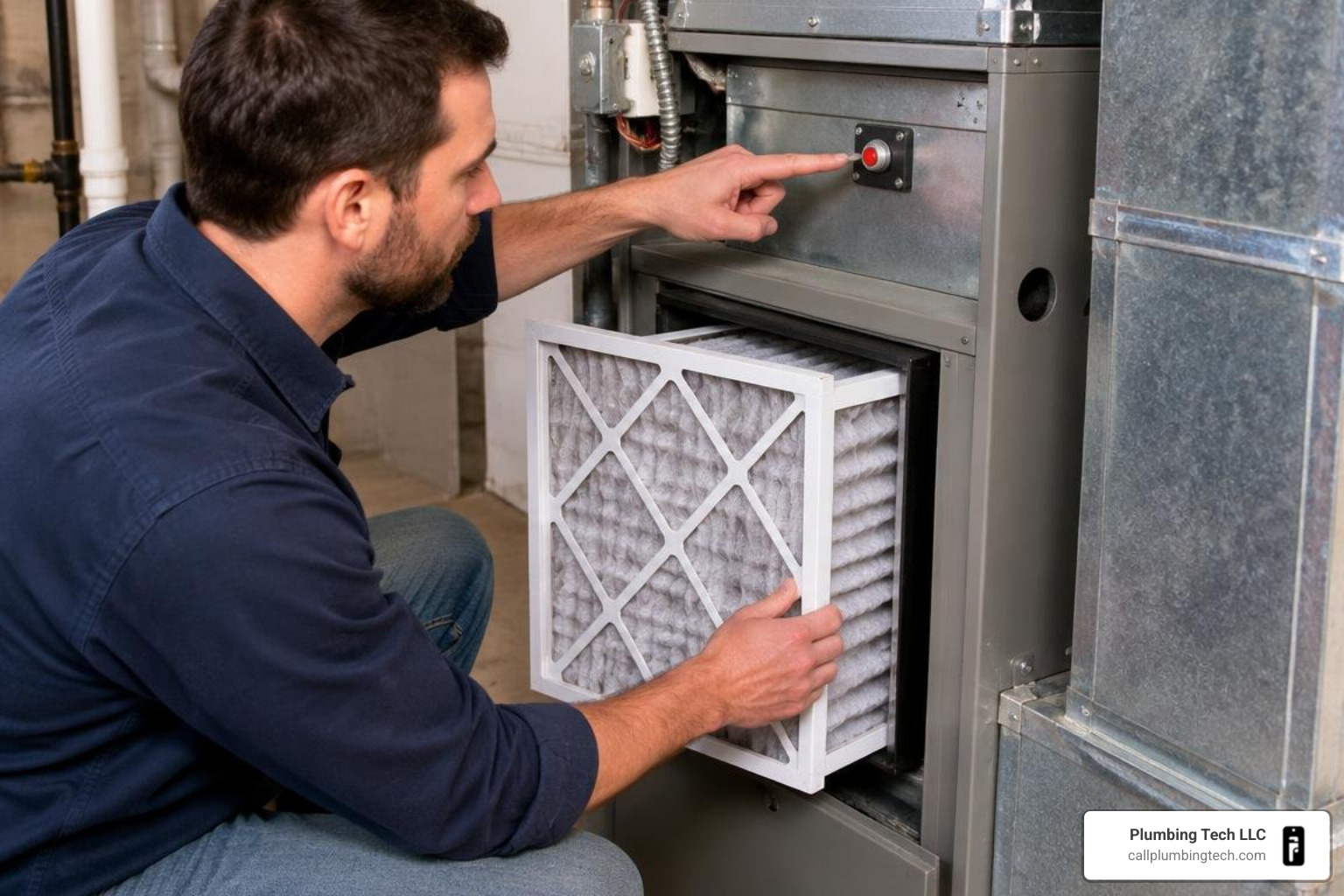
Before calling for a service technician, you can perform several basic, safe checks on your own. Many heating service calls turn out to be simple issues that take just moments to correct. Following a structured inspection process helps you eliminate minor issues without spending money unnecessarily, as detailed in the Carrier furnace repair guide.
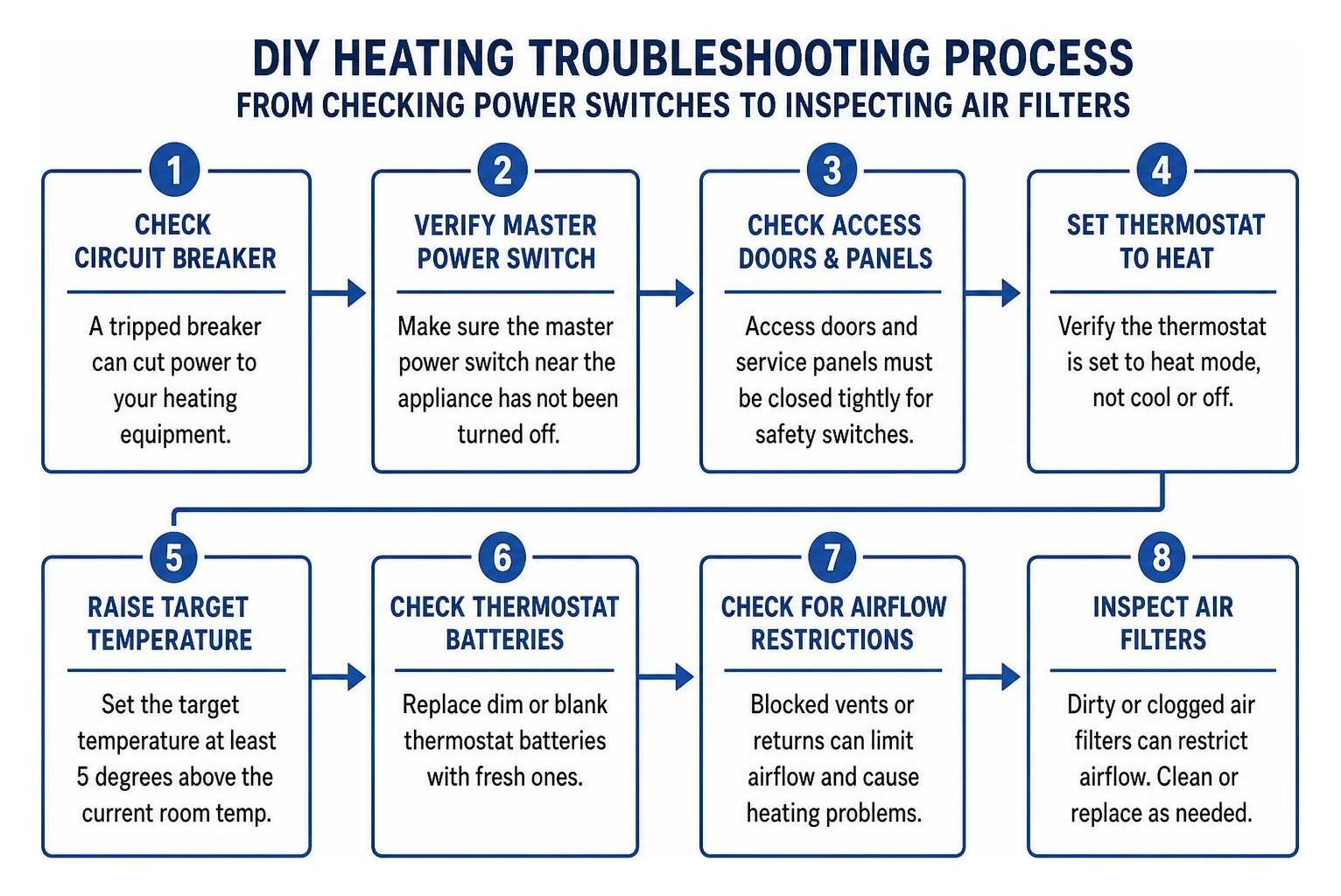
Start by checking your main electrical panel. A sudden power surge can trip the circuit breaker connected to your heating equipment. Flip the breaker firmly to the off position and back to on. Next, verify that the master power switch near the appliance has not been turned off accidentally. Also make sure the access doors and service panels are closed tightly, because built-in safety switches will cut all electrical power if a panel is loose.
Thermostats, Air Filters, and Airflow Restrictions
Thermostat settings cause a surprising number of heating complaints. Verify that the control is set firmly to heat mode rather than cool or off. Set the target temperature at least five degrees above the current room temperature to trigger a call for heat. If your thermostat uses a digital screen that appears dim or blank, replace the internal batteries with fresh ones before assuming the control has failed.
Airflow restrictions are among the most common causes of system overheating. When an air filter becomes clogged with dust, pet hair, and debris, internal temperatures rise quickly. This trips the high-limit safety switch, which shuts off the burners while leaving the blower fan running to cool the unit. Replacing a dirty air filter every thirty to ninety days costs very little and prevents severe strain on your blower motor and heat exchanger.
Pilot Lights and Burner Ignition Troubleshooting
For traditional water tanks and older heating appliances, a steady pilot light is necessary for burner operation. Drafts, dirt, or gas supply interruptions can extinguish this small flame. Homeowners can often resolve these issues by relighting and restoring hot water fast using the manufacturer instructions printed on the side of the tank.
If the small flame refuses to stay lit or burns weak and yellow, you may be dealing with carbon deposits. Taking the time for unclogging a pilot light orifice often restores steady operation without needing costly replacement parts. Following simple diagnostic steps for common water heater repairs helps you determine whether an issue is an easy fix or requires professional tools. For larger commercial equipment, reviewing commercial gas heater repair considerations ensures all operations comply with relevant safety codes.
Repair vs Replace: Evaluating Heating Equipment Longevity
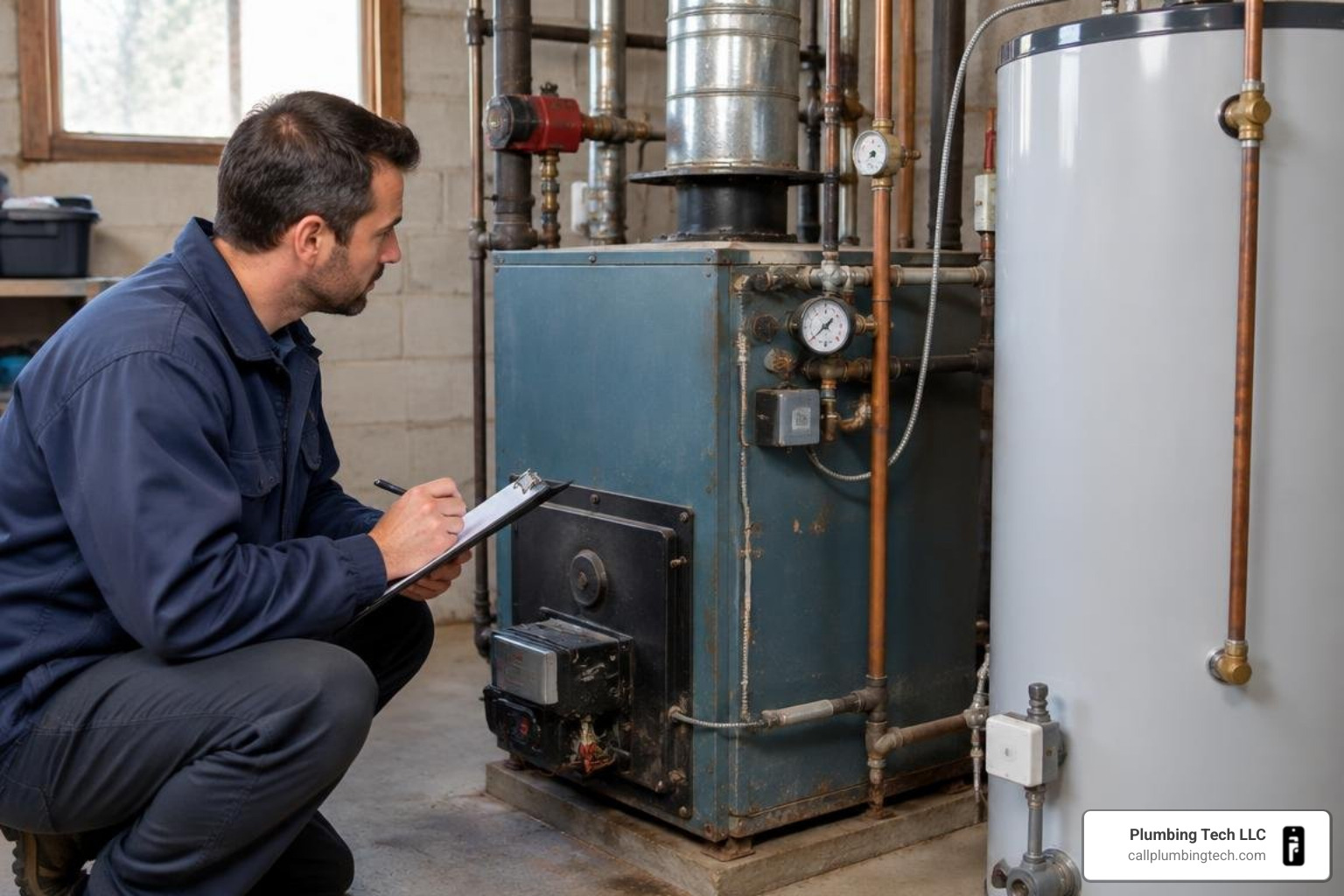
Deciding whether to repair an older heating unit or invest in a new one requires balancing immediate costs against long-term reliability. While repairing a broken part costs less upfront, pouring money into a failing system can become expensive over time. Evaluating system age, energy efficiency, and overall safety helps you make an informed financial choice.
Most residential gas furnaces provide reliable comfort for fifteen to twenty years, while standard tank water heaters generally last eight to twelve years. As equipment nears the end of its design life, internal metal parts weaken from constant heating and cooling cycles. If an aging system breaks down repeatedly, replacing it with modern, high-efficiency equipment often lowers utility bills and eliminates frequent service calls.
The 50 Percent Rule and Age Benchmarks
A practical guideline used by heating specialists is the fifty percent rule. If an appliance is more than halfway through its expected lifespan and an estimated repair approaches fifty percent of the cost of a new system, replacement is generally the smarter investment. This rule protects you from spending money on an old unit that may suffer another major failure shortly after.
When evaluating an expensive repair quote, take time to understand how to compare water heater installation costs across different system models. Structural problems, such as a cracked heat exchanger in a furnace or a rusted water heater tank, make replacement necessary because these issues present serious carbon monoxide and water damage risks that cannot be repaired safely.
Wall Heaters and Supplemental Room Heating Options
For home additions, finished basements, or rooms that stay cooler than the rest of the house, extending existing central ductwork can be costly. Wall-mounted heaters and electric baseboard units offer practical, targeted heating for individual spaces. These systems heat specific occupied rooms, allowing you to lower the central thermostat overnight and reduce overall fuel use.
Wall heaters typically provide eight to twelve years of dependable service when installed with proper clearance from furniture, drapes, and combustible materials. Maintaining at least three feet of open space around heating elements ensures safe airflow and reduces fire hazards. Always have an experienced professional balance your electrical load before adding supplemental electric heaters to prevent tripped breakers or wiring strain.
Financial Assistance and Emergency Relief Programs
No family should have to endure freezing indoor temperatures due to unexpected repair costs. If you face a sudden heating failure and lack emergency savings, various government, state, and community programs provide support for essential home repairs.
State energy programs often manage Crisis Intervention Programs designed for low-income households facing heating outages during cold winter months. These initiatives work alongside the Low-Income Energy Assistance Program to coordinate emergency service through certified technicians, providing urgent assistance when heating equipment breaks down.
Finding State and Municipal Emergency Heating Grants
Local community development agencies, municipal housing departments, and regional non-profit organizations regularly distribute funds to assist qualified homeowners with vital utility repairs. These grants prioritize vulnerable households, including seniors, families with young children, and residents with medical needs.
To check your eligibility, reach out to your local community action agency or municipal housing office. Intake coordinators can guide you through the required income verification and homeownership documents. In many cases, these emergency programs cover the full cost of repairing or replacing a failed heating system to keep your home safe through the winter.
Vetting Reliable Options for Cheap Heater Repair
When hiring a contractor for heating repairs, be cautious of offers that seem unrealistically cheap. Unusually low quotes can indicate unqualified labor, missing safety checks, or substandard replacement parts that lead to recurring breakdowns.
Protect your home by confirming the following contractor qualifications:
- Active state and local trade licensing along with comprehensive liability insurance.
- Upfront flat-rate pricing models that clearly outline part and labor expenses before work begins.
- Use of genuine original equipment manufacturer parts or certified high-grade alternatives.
- Clear written warranty coverage on both newly installed parts and completed labor.
- Technicians who carry proper diagnostic tools and combustion safety testing equipment.
Budget Strategies and Heating System Maintenance
Consistent preventive maintenance is the most effective way to keep your heating costs low. Catching minor wear early prevents small issues from turning into major, expensive component failures during freezing weather.
Regular maintenance routines also preserve high energy efficiency. When burners stay clean, fans remain balanced, and air moves freely through ducts, your system consumes less gas and electricity. Monitoring your monthly utility bills lets you spot efficiency drops early, indicating that your equipment may need a simple cleaning or adjustment.
Maintenance Habits for Cheap Heater Repair and Prevention
Establishing a simple, seasonal maintenance routine protects your heating equipment throughout its service life:
- Replace or clean return air filters every one to three months to maintain proper system airflow.
- Clear dust, pet hair, and debris away from the furnace cabinet and water heater burner compartment.
- Check outdoor intake and exhaust vent pipes regularly to remove snow, leaves, and bird nests.
- Schedule an annual professional tune-up to clean burners, inspect electrical terminals, and test safety controls.
- Flush mineral sediment from water heater tanks once a year to prevent tank base corrosion and heating element failure.
Safety Precautions and Critical Warning Signs
While basic maintenance helps manage repair costs, safety must always come first. Heating systems rely on controlled fuel combustion and high electrical currents, which carry inherent safety risks if equipment is damaged or venting fails.
Never attempt to repair gas lines, gas valves, electronic control boards, or cracked heat exchangers on your own. If you notice a rotten egg sulfur odor, hear unusual hissing near a fuel pipe, see carbon soot around the draft hood, or observe a burner flame that burns yellow instead of crisp blue, turn off the system immediately. Leave the building and contact your local gas utility or emergency responders from a safe location outside.
Frequently Asked Questions About Affordable Heating Fixes
What is the most expensive part to fix on a home heater?
The heat exchanger is typically the most expensive component to replace on a gas furnace, often costing as much as a new unit. Other high-cost parts include central blower motor assemblies, main digital control boards, and compressor units in heat pumps. If these major components fail on an older system, replacing the entire appliance is usually the most economical path forward.
How can I get emergency heater repair if I cannot afford it?
You can seek assistance through local Crisis Intervention Programs, county energy assistance helplines, or municipal community action agencies. These initiatives provide repair grants, subsidized service, or temporary space heating solutions for eligible households facing winter heating emergencies.
When does repairing a heating system stop making financial sense?
Repairing a heating unit stops making sense when the system is past fifteen years old, requires frequent service calls, or needs a single repair that exceeds half the cost of a replacement. It is also best to replace equipment immediately if a structural issue, such as a cracked heat exchanger or rusted tank, creates a safety hazard.
Conclusion
Managing heating issues does not have to mean paying high emergency bills. By using safe DIY troubleshooting steps, staying on top of seasonal filter changes, and seeking transparent written estimates, you can resolve heating problems without overspending.
When your home requires certified diagnostic support or comprehensive plumbing attention across Greater Cleveland, Plumbing Tech LLC provides experienced, high-quality care. Our veteran-owned team brings over twenty-five years of combined field experience, modern diagnostic tools, and a complete satisfaction guarantee to every job. Schedule professional water heater repair and installation with our certified technicians today to keep your home warm, efficient, and dependable all winter long.